Guaranteed Removal Specialists Florence Region
Uncover the Vital Services Offered by a Professional Arborist for Optimal Tree Health
A professional arborist provides numerous services vital for maintaining healthy trees and improving landscapes. Their expertise in tree pruning encourages growth and lessens dangers. They also diagnose and manage tree diseases, guaranteeing customized treatment plans are implemented - Florence Arborist. Additionally, arborists perform safe tree extractions and can assist with planting and transplanting. Their role is even more vital during urgent times such as storm damage. Knowing these services can profoundly influence one’s approach to tree care
The Necessity of Tree Pruning
Although many homeowners might ignore the necessity of tree pruning, it is crucial in maintaining the health and aesthetics of trees. Effective pruning helps trees develop a robust structure, removing dead or diseased branches that could present dangers. By carefully cutting branches, the tree can focus its energy on healthy growth, fostering superior air movement and sunlight penetration. Additionally, pruning can improve the look of the tree, contouring it for attractiveness in residential landscapes.
Moreover, regular pruning can prevent potential hazards, such as limbs falling during storms or high winds, which could harm property or injure individuals. It also aids in the prevention of pest infestations and diseases by improving the tree's resilience. Ultimately, hiring professional arborists for tree pruning guarantees that trees remain healthy, safe, and aesthetically appealing, adding significantly to the overall beauty and value of the property.
Diagnosing and Managing Tree Diseases
Tree health can be greatly compromised by a range of diseases that may not always be immediately evident. A professional arborist serves a vital function in diagnosing these conditions early, utilizing a combination of visual inspections and testing equipment. Symptoms such as unusual leaf coloration, wilting, or irregular growth shapes often indicate hidden health problems. Arborists examine these indicators to pinpoint particular diseases, whether fungal, bacterial, or viral in nature.
When the problem is identified, the arborist develops a specific treatment strategy. The plan often involves specific applications, such as bactericides or fungicides, and cultivation methods that boost the tree's resistance. Additionally, adequate irrigation, the application of mulch, and feeding can significantly boost the vitality of the tree and resistance to diseases. Regular monitoring and subsequent care are essential for successful control, ensuring the longevity and vitality of the trees. By addressing tree diseases proactively, professionals preserve the beauty and ecological benefits that healthy trees offer.
Safe Tree Removal Practices
Safe tree extraction techniques are necessary to ensure safety and minimizing damage to nearby structures. Qualified professionals utilize a thorough assessment of the tree's condition, its location, and the immediate vicinity before beginning the felling process. Professionals employ dedicated machinery, such as chainsaws and rigging gear, to ensure accurate cutting and control during the felling process.
A thoughtful felling approach involves spotting possible dangers, such as nearby buildings or utility lines, which can affect the security of the job. Arborists often use a technique called "sectional dismantling," in which the tree is removed in small sections, minimizing the danger from falling material.
In addition, they follow local regulations and guidelines to ensure adherence and responsible environmental care. After the removal, thorough clearing and removal of the remaining wood and brush, including stump grinding, contribute to the overall safety and aesthetics of the property.
Guidelines for Tree Installation
Planting and transplanting trees demands close attention of choosing the location and installation methods to ensure future vitality and successful establishment. Choosing the correct site significantly influences a tree's development, whereas good planting practices reduce trauma and encourage the tree to thrive. Arborists emphasize these factors as essential for enhancing the strength and endurance of trees in all environments.
Selecting an Appropriate Site

Choosing the right location for relocating or establishing trees is essential for their sustained health and success. Elements like the condition of the soil, sunlight exposure, and water flow needs careful consideration. Certified arborists evaluate the location's features, ensuring that the planting location provides adequate nutrients and proper foundation for the trees. Additionally, the proximity to existing structures and other plants is vital to prevent competition for resources and avoid potential damage. Tree specialists also factor in the tree’s mature size and underground network, guaranteeing enough area for development. By conducting a thorough site analysis, these professionals assist customers choose wisely that foster robust, flourishing trees, ultimately enhancing the landscape’s visual appeal and natural benefits.
Optimal Planting Methods
After the location is thoroughly evaluated and chosen, the subsequent phase requires using optimal methods for planting trees. Preparing the planting hole correctly is crucial; it should be double the diameter of the root system and no deeper than the root system itself. The tree should be placed in the hole so that the crown of the root mass is even with the surrounding soil. Fill the hole with local earth, making sure to eliminate air gaps, and soak the area well to promote initial root establishment. Applying mulch at the bottom aids in water retention and suppress weeds. Florence Arborist. If moving mature plants, it’s important to minimize root disturbance and transplant during dormancy for the greatest likelihood of thriving. Adhering to these methods promotes robust development and longevity
Responding to Storm-Related Tree Hazards
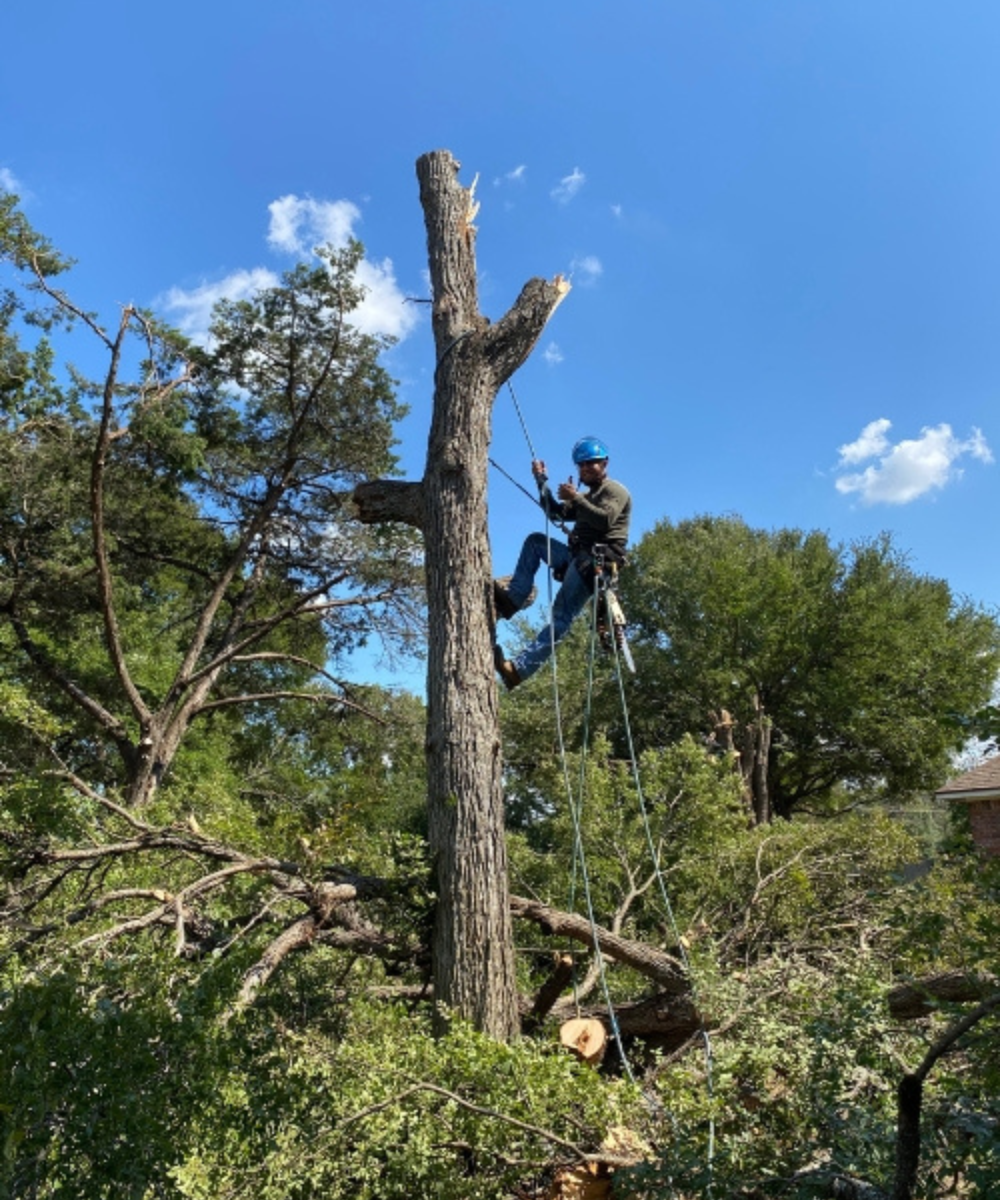
When severe storms strike, the resultant conditions may leave trees in hazardous situations, posing risks to property and safety. Certified tree experts are crucial in immediate action, evaluating storm-damaged trees to check how safe and healthy they are. Their knowledge enables them to determine which trees can be salvaged and which present immediate dangers that require extraction.
Using professional equipment, arborists context information can safely prune broken branches and clear debris, preventing subsequent injury to adjacent property. Arborists also offer helpful guidance on preventive measures, such as choosing sturdy types of trees for subsequent landscaping.
Apart from the initial cleanup, tree specialists assist clients in grasping the possible lasting consequences of the storm, giving counsel on how to repair and revive. Through quick and effective action, certified tree experts safeguard assets but also contribute to the restoration of the local environment once the tempest has passed.
Tree Nutrition and Soil Management
After the devastation caused by storm damage, the priority becomes the health of remaining trees, emphasizing the necessity of nutrient assistance and earth maintenance. A professional arborist evaluates ground quality and tree vitality to figure out specific nutritional needs. Trees must have vital elements, like nitrogen, phosphorus, and potassium, to recover and thrive post-stress incidents.
Ground care is crucial for how nutrients are accessed and root growth. Experts might advise soil amendments, like organic matter, to enhance soil structure and the action of microorganisms. Proper pH levels are also evaluated, as they affect how nutrients are absorbed.
Applying mulch can improve moisture retention and suppress weeds, making a suitable condition for tree recovery. With a detailed feeding regimen and implementing effective soil management strategies, arborists ensure trees regain strength, resilience, and overall health, vital for maintaining a balanced ecosystem following environmental disturbances.
Frequently Asked Questions
When Should My Trees Be Checked?
Trees should be checked annually for optimal condition. Nevertheless, more frequent evaluations could be needed for younger trees, following harsh storms, or if they show signs of stress or sickness.
What Expertise is Needed in an Arborist?
When seeking an arborist, one should prioritize certifications such as ISA (International Society of Arboriculture) accreditation, relevant experience, adequate protection, and a good standing within the community, ensuring expertise in tree care and safe procedures.
Do Arborists Utilize Special Equipment for Tree Care?
Arborists utilize various specialized tools for tree care, like chainsaws, pruning shears, climbing gear, and stump grinders. Each tool serves a specific purpose, allowing for proper upkeep, pruning, and removal of trees while promoting overall health and safety.
In What Ways Does the Weather Impact Tree Health?
The climate significantly affects tree health; excessive rain can lead to root rot, while drought stresses trees. Extreme temperatures can lead to the destruction of leaves and branches, consequently impacting growth, resilience, and overall vigor of the trees.
Can I Perform Tree Care Myself, or Do I need to call in a specialist?
While some basic tree care tasks can be done by people themselves, it is usually recommended to hire an expert - Florence Arborist. Trained individuals carry specialized equipment and knowledge, making certain the trees obtain the proper care necessary for ideal health and growth